

The allure of chance: Understanding the thrill of gambling
The essence of casino gambling lies in its unpredictable nature, which captivates many individuals. The thrill of placing a bet, coupled with the potential for substantial rewards, sparks excitement and anticipation. This unpredictable element feeds into the psychological aspects of risk-taking behavior, where the possibility of winning can evoke strong emotional reactions. In essence, the excitement derived from gambling often overshadows the rational evaluation of odds and outcomes. For those interested in alternative gaming options, many are turning to no kyc casinos as a potential avenue.
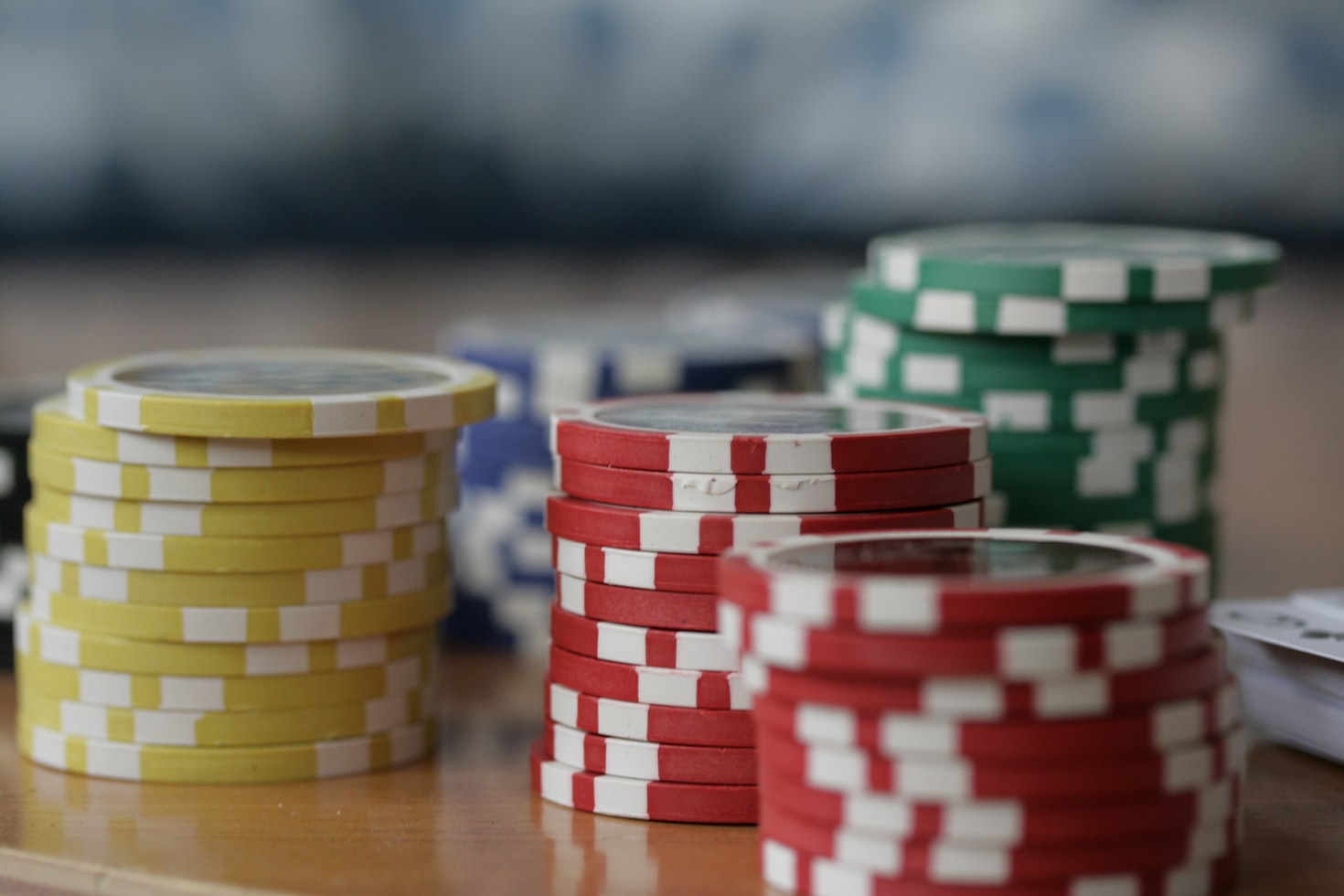
Furthermore, the concept of near misses—where players come close to winning—can trigger a rush of adrenaline, reinforcing the desire to continue playing. This phenomenon creates an illusion of control, leading individuals to believe that they can predict outcomes based on previous results, fueling their gambling endeavors even further.
Decision-making and cognitive biases in gambling
The decision-making process in gambling is fraught with cognitive biases that can cloud judgment. Players often fall victim to the gambler’s fallacy, the belief that past events influence future outcomes. For instance, after several losses, a player may feel compelled to continue betting, convinced that a win is due. This skewed perception of probability can lead to poor financial decisions and increased gambling activity.
Additionally, confirmation bias plays a significant role in gambling behavior. Gamblers often seek out information that supports their winning strategies while disregarding evidence that contradicts their beliefs. This selective perception can create a false sense of success, making it difficult for individuals to recognize when they are engaging in detrimental habits.
Emotional regulation and gambling behavior
Gambling can serve as a form of emotional regulation for many. Individuals may turn to casinos as a means of coping with stress, anxiety, or depression. The temporary escape provided by gambling can offer a sense of relief, making it an appealing choice for those seeking distraction from their daily struggles. However, this reliance on gambling for emotional respite can lead to problematic patterns, as individuals may find themselves caught in a cycle of seeking more intense experiences to achieve the same level of satisfaction.
Moreover, the highs of winning can be powerful emotional reinforcers, creating a craving for subsequent wins. This relationship between emotional states and gambling can complicate a player’s ability to maintain a healthy balance, often leading to the development of compulsive gambling behaviors.
Social influences on gambling strategies
The social environment significantly impacts gambling strategies and behaviors. Group dynamics can alter an individual’s approach to betting, with peer pressure often influencing decisions. In many cases, the social aspect of gambling—sharing experiences with friends or strangers—can make the activity more appealing, contributing to a willingness to take risks. Casinos often leverage this by creating communal spaces that enhance the social experience of gambling.
Furthermore, the community surrounding gambling can reinforce certain strategies and beliefs about winning, shaping how players perceive their chances. For example, sharing stories of big wins can create an atmosphere where unrealistic expectations flourish, further entrenching individuals in their gambling habits and encouraging the adoption of riskier strategies.
Explore your creativity with Stitcher Studios
While gambling offers a unique psychological experience, it is essential to consider healthier avenues for engagement and creativity. Platforms like Stitcher Studios provide an inspiring environment where artists and creators can explore their passions and connect with others. By engaging with creative projects, individuals can find fulfillment and satisfaction that may reduce reliance on activities like gambling.
Joining a community focused on creativity can enhance emotional well-being, offering a constructive outlet for expression and collaboration. This shift in focus can potentially lead to a more balanced approach to leisure activities, allowing individuals to thrive artistically while minimizing the pitfalls associated with gambling behaviors.